How Head to Head works
We compare two products or product types head to head, giving you a real verdict on which is the better choice for your situation — and exactly when to choose each one.
Espresso Machine vs Pod Coffee Maker: Which Is Worth the Counter Space?
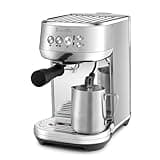
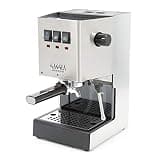
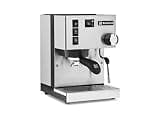
Breville BES500BSS Bambino Plus Espresso Machine, Brushed Stainless Steel | Make café-quality espresso, lattes and cappuccinos at home with this compact, semi-automatic coffee maker for home baristas
Genuine espresso and milk-based drinks, with room to grow into

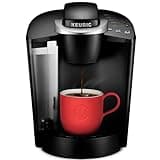
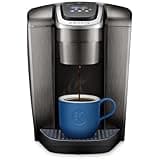
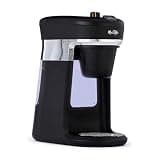
Keurig K-Classic Single Serve K-Cup Pod Coffee Maker, Black | 3 Brew Sizes, 48oz Removable Reservoir, Auto-Off Feature, Simple Button Controls, Works with K-Cup Pods
One-button consistency with zero learning curve
Our verdict — Pod Coffee Maker wins
For most people who just want a reliably good cup of coffee without any technique to learn, a pod coffee maker wins — press a button and get the same result every time, with no calibration, tamping, or wasted shots along the way. An espresso machine makes genuinely better coffee and is the only way to pull real espresso-based drinks like lattes and cappuccinos at home, but it demands a real learning curve, a grinder, and regular cleaning to get consistently good results. If you already drink two or more espresso-based drinks a day and don't mind the extra few minutes of routine, the espresso machine pays for itself in a way a box of pods never will.
Buy Espresso Machine if…
You already drink two or more espresso-based drinks a day and are willing to spend a few weeks learning dose, grind, and tamp technique.
Buy Pod Coffee Maker if…
You want a reliably good cup of coffee with zero learning curve, minimal cleanup, and a lower upfront cost.
Someone shopping for "a coffee maker" is often actually choosing between two completely different appliances that happen to sit in the same aisle. An espresso machine forces hot water through finely ground, tightly packed coffee at high pressure, producing a small, concentrated shot with a layer of crema on top — the base for lattes, cappuccinos, and macchiatos. A pod coffee maker pierces a sealed capsule and pushes hot water through it into a mug, trading control and depth of flavor for speed and total consistency.
The two solve genuinely different problems, and the "better" one depends entirely on what you actually drink and how much you're willing to learn. This article breaks down where an espresso machine vs pod coffee maker comparison actually gets decided in 2026 — quality, ease of use, cleanup, and real cost per cup — so you can figure out which one deserves the counter space in your kitchen.
What is a Espresso Machine?
An espresso machine forces hot water at roughly 9 bars of pressure through a tightly packed puck of finely ground coffee, extracting a concentrated 1–2oz shot topped with crema — the reddish-brown foam that forms from dissolved oils and CO2 escaping the grounds. Most home machines also include a steam wand for texturing milk, which is what turns a shot of espresso into a latte, cappuccino, or flat white.
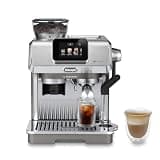
The specs that matter most are boiler type (single boiler machines make you wait between brewing and steaming; dual boiler or heat-exchanger models do both at once), pressure consistency (a good pump maintains steady pressure through the shot rather than spiking), and PID temperature control, which keeps water temperature stable enough to avoid sour or bitter extraction. A built-in or separate burr grinder is effectively mandatory — pre-ground coffee goes stale within days and can't be dialed in for espresso's fine, consistent grind.
An espresso machine is the right choice for anyone who already drinks espresso-based drinks regularly and is willing to spend a few weeks learning dose, grind size, and tamp pressure. It rewards practice with genuinely café-quality coffee at home, and the cost per cup drops dramatically once you're buying whole beans instead of pods.
What is an Pod Coffee Maker?
A pod coffee maker pierces a sealed, pre-measured capsule of ground coffee and pushes hot water through it under low pressure, dispensing directly into a mug. There's no grinding, no tamping, and no cleanup beyond ejecting the used pod and occasionally rinsing the water reservoir. Some systems use proprietary capsules only compatible with their own machines, while others accept universal pods from multiple brands.
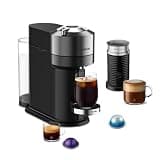
Key specs to check are reservoir size (larger tanks mean fewer refills for households that drink several cups a day), cup-size options (some machines only brew one fixed size, others offer 6oz to 12oz+ settings), and pod compatibility (proprietary systems lock you into that brand's capsules, which limits both variety and long-term cost). A handful of pod machines include a milk frother attachment, though the froth quality rarely matches a dedicated steam wand.
A pod coffee maker is the right choice for anyone who wants a genuinely foolproof cup of coffee with zero learning curve — a shared office kitchen, a household with mixed coffee preferences, or anyone who just doesn't want brewing to be a hobby. It's also the more forgiving option for guests, since anyone can use it correctly on the first try.
Key Differences
Pros & Cons
Espresso Machine
- ✓Produces genuine espresso with the crema and body needed for real cappuccinos, lattes, and macchiatos that pod machines can't replicate
- ✓A steam wand textures milk to the exact consistency you want, rather than a fixed pre-programmed setting
- ✓Cost per cup drops to roughly $0.25–$0.35 once you're buying whole beans instead of pre-packaged pods
- ✗A real learning curve — dialing in grind size, dose, and tamp pressure takes weeks of practice before shots taste consistently good
- ✗Needs a separate burr grinder for good results, adding real cost and counter space on top of the machine itself
Pod Coffee Maker
- ✓Press one button and get an identical cup every time, with zero technique required
- ✓Cleanup is limited to tossing a used pod and rinsing the reservoir, versus knocking out and cleaning a portafilter daily
- ✓Lower upfront cost and a smaller footprint that fits easily on most counters
- ✗Pods cost roughly $0.50–$1.00 per cup, which adds up to noticeably more than beans over a year of daily use
- ✗Can't produce genuine espresso-based drinks — most 'espresso' pod settings are really just a stronger, more concentrated brew
Coffee quality and what each can actually make
An espresso machine extracts coffee under roughly 9 bars of pressure through a tightly packed, finely ground puck, pulling out oils and compounds that produce crema and a genuinely fuller body. That same mechanism is what makes a real cappuccino or latte possible — the steam wand texturing milk into microfoam that a pod machine's built-in frother, if it even has one, can't fully replicate. A pod machine pushes water through a pre-measured capsule at low pressure, which produces a consistent, drinkable cup but noticeably flatter than genuine espresso.
The gap narrows for straight black coffee, where a well-made pod can taste close to a mediocre espresso shot. It widens considerably for milk drinks, where the steam wand's ability to texture milk to a specific consistency is simply not something a pod system replicates well, no matter how the capsule is marketed.
This matters most for anyone who orders cappuccinos, lattes, or flat whites regularly at a coffee shop — an espresso machine is the only way to genuinely replicate that at home. If you mostly drink black coffee and don't care about milk drinks, the quality gap matters far less.
Ease of use and daily routine
A pod coffee maker requires no technique at all — drop in a pod, press a button, and the machine handles pressure, temperature, and timing internally. There's no way to under-extract or over-extract a shot, no grind size to dial in, and no tamping pressure to get consistent. This is precisely why offices, shared kitchens, and households with mixed skill levels default to pod machines: anyone can use one correctly on the first try.
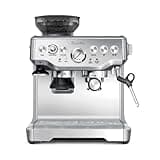
Breville BES870XL Barista Express Espresso Machine, Brushed Stainless Steel | Craft café-quality espresso shots, lattes and cappuccinos at home with this manual coffee maker with built-in grinder
See price →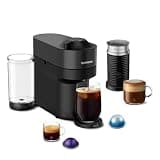
Nespresso Vertuo Pop+ Coffee Machine with Milk Frother, Liquorice Black | Coffee and espresso maker by De'Longhi with compact design. Aeroccino3 frother bundle for hot or cold foam drinks at home.
See price →An espresso machine, by contrast, has a real learning curve. Grind size, dose weight, tamp pressure, and extraction time all interact, and getting a genuinely good shot takes weeks of small adjustments and, often, a few bags of practice beans. Reviewers who buy an espresso machine expecting café-quality results on day one are consistently disappointed until they accept that dialing in technique is part of the process, not a sign of a bad machine.
For someone who wants coffee to be a two-minute part of the morning rather than a hobby, that learning curve is a genuine cost, not just an inconvenience — which is exactly why the pod machine wins this category for most buyers.
Cleanup and maintenance
An espresso machine requires knocking out the spent puck from the portafilter, rinsing the basket, wiping down the steam wand after every milk drink to prevent buildup, and periodically backflushing the group head with a cleaning solution. Skipping the steam wand wipe-down in particular leads to dried milk residue that's both unhygienic and increasingly difficult to remove.
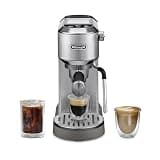
De'Longhi Dedica Duo Compact Espresso Machine - Cold Brew Coffee Maker with Milk Frother Wand- for Espresso, Hot & Iced Coffee, Cappuccinos, Lattes & Home Barista Brewing, Stainless Steel Finish
See price →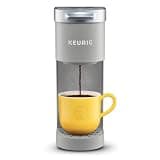
Keurig K-Mini Single Serve K-Cup Pod Coffee Maker, 6 to 12oz Brew size, with Cord Storage, Perfect for Small Spaces, Studio Gray
See price →A pod machine's maintenance is limited to ejecting the used capsule into a bin, periodically emptying a used-pod tray, and refilling or rinsing the water reservoir every so often to prevent mineral buildup. Descaling is still necessary every few months on both types of machine, so neither is entirely maintenance-free, but the daily routine is dramatically simpler on a pod system.
This difference compounds over years of daily use — a five-minute daily cleaning routine on an espresso machine adds up to real time, while a pod machine's near-zero daily maintenance is one of the main reasons people who value convenience over ritual choose it.
Cost per cup over time
A bag of whole bean coffee typically costs $12–$18 for roughly 30–40 espresso-strength servings, working out to around $0.25–$0.35 per cup once you own a grinder. A box of coffee pods runs $8–$15 for 12–24 pods, which lands closer to $0.50–$1.00 per cup — two to three times more expensive per serving over the life of the machine.
The upfront cost tells a different story, though: a decent espresso machine and grinder together can run $300–$600 or more, while a capable pod machine costs $70–$200 ready to use out of the box. It takes a genuine amount of daily use — roughly a year or more of regular espresso drinking — before the lower per-cup cost of an espresso machine offsets that higher initial investment.
For a household drinking one or two cups a day, the payback period is long enough that upfront cost and convenience often matter more than the per-cup savings. For someone drinking several espresso-based drinks daily, the math flips in the espresso machine's favor well within the first year or two of ownership.
Can You Use One Instead of the Other?
For straight black coffee, a pod machine gets close enough to an espresso machine's output that most people wouldn't reliably tell the difference in a casual taste test — if you never drink milk-based drinks, a pod system covers your needs without much compromise.
A pod machine cannot substitute for an espresso machine if you regularly drink lattes, cappuccinos, or flat whites. Even pod systems marketed with a milk frother attachment produce a coarser, less stable foam than a real steam wand, and the espresso shot itself remains flatter and less concentrated than one pulled under proper pressure from fresh, correctly ground beans. If milk drinks are a daily habit, there's no real workaround — you need an espresso machine.
There's no true combo appliance that does both well, though some higher-end pod systems now offer a "barista" mode with a built-in frother that closes some of the gap for casual milk-drink drinkers. A standalone electric milk frother can also bridge that gap cheaply if you own a pod machine without one built in. If you're genuinely torn, starting with a pod machine and upgrading to an espresso machine once you've confirmed how often you actually want espresso-based drinks is a lower-risk path than buying an expensive machine up front and letting it gather dust.
Related Tools Worth Knowing
- ›
Burr Grinder — Essential alongside any espresso machine — pre-ground coffee goes stale within days and can't be dialed in finely enough for a good shot.
- ›
Electric Milk Frother→ — A standalone alternative for texturing milk if you own a pod machine without a built-in frother and still want café-style drinks.
- ›
Kitchen Utensil Set→ — A small spoon and tamper come in handy for dosing and leveling grounds when you're first learning an espresso machine's routine.
- ›
Coffee Scale — Weighing both the dose in and the shot out is the single biggest upgrade for consistency once you're past the basics of pulling espresso.
Our Top Picks
Best Pod Coffee Maker
Ready to buy? Check current prices below
Genuine espresso and milk-based drinks, with room to grow into
One-button consistency with zero learning curve
Frequently Asked Questions
Is an espresso machine worth it over a pod coffee maker?▾
It depends on how much espresso-based coffee you drink — if you have two or more lattes or cappuccinos a day, an espresso machine pays for itself in lower per-cup cost within a year or two and produces genuinely better coffee. For occasional or straight black coffee drinkers, a pod machine's convenience usually outweighs the quality difference.
Can a pod coffee maker make a real cappuccino or latte?▾
Not quite — some pod machines include a frother attachment that produces usable foam, but it's coarser and less stable than milk textured by a real steam wand, and the espresso shot itself is flatter and less concentrated than one pulled from fresh, properly ground beans under real pressure.
Which is cheaper in the long run, an espresso machine or a pod coffee maker?▾
An espresso machine is cheaper per cup once you're buying whole beans — roughly $0.25–$0.35 a cup versus $0.50–$1.00 for a coffee pod — but the higher upfront cost of a machine and grinder means it typically takes a year or more of daily use to break even.
Do I need a grinder if I buy an espresso machine?▾
Yes, for good results. Pre-ground coffee goes stale within days and isn't ground finely or consistently enough for proper espresso extraction — a dedicated burr grinder is effectively a required companion purchase, not an optional upgrade.
How much maintenance does an espresso machine need compared to a pod machine?▾
An espresso machine needs daily cleaning of the portafilter and steam wand plus periodic backflushing, while a pod machine's daily maintenance is limited to ejecting used pods and occasionally rinsing the reservoir — both need descaling every few months, but the day-to-day routine is considerably simpler on a pod system.
Conclusion
For most people, a pod coffee maker is the better everyday choice — it's cheaper upfront, requires no technique, and produces the same decent cup every single time without any risk of a bad shot.
The espresso machine earns its place for a specific kind of buyer: someone who already drinks espresso-based drinks daily and is willing to trade convenience for genuinely better coffee and a lower cost per cup over time. If you mostly drink black coffee and value speed over ritual, get the pod machine. If lattes and cappuccinos are a daily habit and you don't mind a learning curve, the espresso machine is worth the investment.
Check the top picks above for a solid option in each category, and if you're still unsure, starting with a pod machine and upgrading later is the lower-risk path — you'll know within a few months whether espresso-based drinks are a daily habit worth the extra equipment. A basic kitchen utensil set with a small spoon and tamper is worth having on hand either way, for dosing grounds or leveling a portafilter.