How Head to Head works
We compare two products or product types head to head, giving you a real verdict on which is the better choice for your situation — and exactly when to choose each one.
Handheld Milk Frother Wands vs Electric Jug Frothers: Which Is Actually Worth Buying?
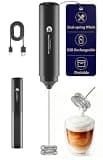
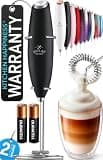
New England Stories Handheld Rechargeable Milk Frother Wand | Rich Foam in Seconds, 2-IN-1 Dual Spring Whisk, Travel Cover included, Perfect Drink Mixer for Lattes & More
Cheap, compact, and fine for occasional use

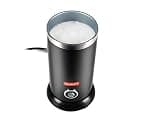
Bodum 10oz Bistro Electric Milk Frother, Black
Consistent, hands-free foam for daily latte drinkers
Our verdict — Jug Frother wins
For anyone making lattes or cappuccinos more than a couple times a week, an electric jug frother wins clearly — it produces denser, more consistent foam hands-free and usually offers both hot and cold settings. A handheld wand is the right call if you froth occasionally, want something cheap and easy to store, or mainly need light foam for the odd cup rather than genuine café-style microfoam. Frequency of use, not price alone, is really what should decide this one.
Buy Handheld Wand if…
You froth milk occasionally, want something cheap and easy to store, and don't need café-level microfoam consistency.
Buy Jug Frother if…
You make lattes or cappuccinos most days and want dense, consistent, hands-free foam without babysitting the process.
Thin, bubbly foam that collapses within a minute is the most common complaint about home milk frothing, and it usually comes down to using the wrong type of frother rather than doing anything wrong technique-wise. Handheld wands and electric jug frothers both promise café-style foam, but they get there through different mechanisms, and the gap between them shows up most clearly the more often you actually use one.
A handheld frother is a small battery or rechargeable wand with a whisk tip that you hold inside a cup or jug of milk, aerating it manually. An electric jug frother, by contrast, is a self-contained countertop appliance with a built-in heating element and a motorized whisk that froths automatically with a single button press, no hands-on technique required.
This article covers how each one actually performs in daily use, where a wand falls short of a jug frother, and which one makes more sense for your coffee routine in 2026 — including when the cheaper option is genuinely the smarter buy.
What is a Handheld Milk Frother Wand?
A handheld milk frother wand is a small, battery-powered or rechargeable device with a spinning whisk tip at one end. You hold the wand in a cup or small pitcher of milk and move it up and down while it spins, manually aerating the milk to create foam. There's no heating element — it works on milk at whatever temperature you start with, hot or cold.
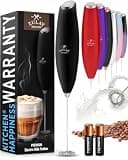
The specs worth checking are battery type (rechargeable via USB lasts longer than disposable AA batteries), whisk head material (stainless steel wire whisks tend to outlast plastic ones), and motor speed, since underpowered wands struggle to produce real foam, especially with thicker or plant-based milk.
A handheld wand is the right choice for occasional use — someone who wants foam for coffee a couple of times a week, needs something that stores easily in a drawer, and doesn't mind a bit of manual technique and a shorter foam lifespan compared to a dedicated appliance.
What is an Electric Jug Frother?
An electric jug frother is a standalone countertop appliance: a jug with a built-in heating element and a motorized whisk at the base, operated with one-touch buttons. Pour in milk, select a setting, and the machine froths automatically — no manual movement or technique required.
Key specs are whether it offers both hot and cold froth settings (useful if you drink iced coffee), jug capacity (most handle 4–8oz of milk, enough for one to two drinks), whisk type (a detachable stainless whisk is easier to clean than a fixed one), and auto shut-off, which prevents scorched milk if you're multitasking.
A jug frother is the right choice for daily or near-daily latte and cappuccino drinkers who want consistent, dense microfoam without babysitting the process. It's also the better option if you regularly make foam for more than one person at a time, since the larger capacity handles two cups' worth in a single cycle.
Key Differences
Pros & Cons
Handheld Wand
- ✓Costs a fraction of an electric jug frother while still producing usable foam
- ✓Small enough to store in a drawer or take on a trip
- ✓Works instantly with no setup — just dip and go
- ✗Foam is noticeably thinner and less stable than a jug frother produces, and collapses faster
- ✗No built-in heating, so it can't warm milk on its own — you need to heat it separately first
Jug Frother
- ✓Produces genuinely dense, café-style microfoam consistently, with minimal technique required
- ✓Hands-free operation frees you up to do other things while it froths
- ✓Most models froth both hot and cold, covering iced drinks as well as lattes
- ✗Costs meaningfully more than a handheld wand and takes up permanent counter or cabinet space
- ✗Only handles one jug's worth at a time, so a larger household making several drinks still queues up
Foam texture and consistency
This is the biggest practical gap between the two. An electric jug frother's motorized whisk aerates milk evenly and consistently, producing the dense, glossy microfoam that holds its shape and actually works for pouring latte art or topping a cappuccino properly. The result is repeatable — the tenth cup looks like the first.
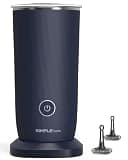
SIMPLETASTE Milk Frother, 4-in-1 Electric Automatic Milk Steamer, Dark Blue | Warm and Cold Foam Maker and Milk Warmer for Latte, Cappuccino, Macchiato, Hot Chocolate
See price →New England Stories Handheld Rechargeable Milk Frother Wand | Rich Foam in Seconds, 2-IN-1 Dual Spring Whisk, Travel Cover included, Perfect Drink Mixer for Lattes & More
See price →A handheld wand can produce real foam, but results depend heavily on technique: how you angle the wand, how long you run it, and how fresh and cold the milk is. Even with good technique, the foam tends to be looser and more bubble-heavy than a jug frother's microfoam, and it collapses back into liquid milk faster, sometimes within a minute or two.
If foam quality and consistency matter to you — especially if you're chasing something closer to café results — the jug frother is a clear step up. If you're mostly adding a light layer of foam to a mug of coffee rather than pouring latte art, a wand's rougher foam is perfectly serviceable.
Speed and ease of daily use
A jug frother's one-button operation is where it earns its keep on a busy morning. Pour milk in, press a button, and it's done in 60–90 seconds while you handle the rest of your coffee routine — no standing there holding a wand and moving it around.
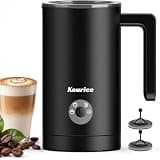
Kourice Milk Frother Electric, 4-in-1 Automatic Milk Frother and Steamer | Barista-Style Hot & Cold Foam for Lattes, Cappuccinos, Iced Coffee, Quiet, One-Touch, Easy to Clean
See price →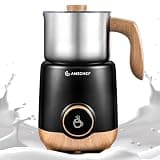
AMZCHEF 8-in-1 Milk Frother and Steamer with 550W IH Induction Heating | 600 ML Detachable Stainless Steel Jug, Automatic Steamer for Hot & Cold Foam, Hot Chocolate & Milk Warmer
See price →A handheld wand requires active attention for the full frothing process — usually 20–30 seconds of continuous movement to get decent results. It's not a big time cost on its own, but it's one more manual step in a routine, and it doesn't scale well if you're frothing for more than one person before you've even started your coffee.
For anyone frothing milk daily as part of an established morning routine, the jug frother's hands-off convenience adds up over weeks and months in a way that's easy to underestimate when comparing the two side by side in a store.
Portability and storage
A handheld wand's biggest practical advantage is size. It fits in a kitchen drawer, a desk drawer at the office, or a travel bag without any real thought given to where it lives — there's no dedicated counter space required, which matters in smaller kitchens or shared living situations.
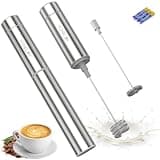
Milk Frother Handheld, Battery Operated Travel Coffee Frother Milk Foamer Drink Mixer with 2 Stainless Steel Whisks for Hot Chocolate, Batteries Included, Silver
See price →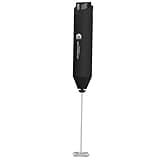
Powerful Milk Frother Wand - Mini Handheld Milk Frother with Stainless Steel Whisk - Battery-Powered Drink Mixer for Coffee, Lattes, Cappuccinos, Matcha - Coffee Enthusiasts Gift - Black
See price →A jug frother, by contrast, is a countertop appliance that needs a permanent home, whether that's counter space or a cabinet shelf. It's not something most people want to dig out and put away for each use, so it tends to live visibly on the counter, which some kitchens have room for and others don't.
If counter space is tight, or you want something you can genuinely take with you — to a hotel room, an office, a dorm — the wand's compact footprint is a real, not trivial, advantage over a jug frother's fixed presence.
Price and value for occasional use
A handheld wand typically costs a fraction of an electric jug frother, and for someone who froths milk once or twice a week rather than daily, that lower price is hard to argue with. You get usable foam without a significant investment, and there's little financial risk if you end up not using it much.
New England Stories Handheld Rechargeable Milk Frother Wand | Rich Foam in Seconds, 2-IN-1 Dual Spring Whisk, Travel Cover included, Perfect Drink Mixer for Lattes & More
See price →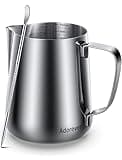
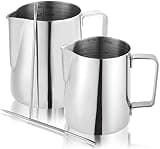
Milk Frothing Pitcher, 8.5oz/12oz/20oz/32oz/50oz/66oz Milk Frother Cup Stainless Steel, Espresso Accessories, Milk Steaming Pitchers Coffee Cappuccino Latte Art Barista Milk Jug Cup with Art Pen,12oz
See price →A jug frother's higher price is easier to justify the more frequently you use it — someone making a latte every morning gets real, compounding value from consistent results and hands-free operation that a wand simply can't match at any price. The cost-per-use math flips in the jug frother's favor quickly with daily use.
If you're unsure how often you'll actually froth milk, starting with a cheap wand is a low-risk way to find out before committing to a jug frother. If you already know coffee is a daily ritual for you, the jug frother's higher upfront cost pays for itself in convenience within weeks.
Can You Use One Instead of the Other?
For occasional foam on top of a regular coffee — not chasing latte art, not making multiple drinks at once — a handheld wand does the job adequately, and most casual coffee drinkers won't feel shortchanged using one instead of a jug frother.
Where a wand genuinely falls short is consistent, dense microfoam for actual lattes and cappuccinos, and hands-free convenience for a daily routine. If you're trying to replicate café-quality foam regularly, or you're frothing for two people every morning, a wand's thinner, faster-collapsing foam and manual operation become a real limitation rather than a minor inconvenience.
There's no real combo option here the way there is with some tool comparisons — the honest answer is to match the device to your actual frequency of use. A cheap wand for occasional foam, or a jug frother if milk frothing is genuinely a daily habit, both make more sense than buying the wrong one and being disappointed either by cost or by foam quality.
Related Tools Worth Knowing
- ›
Espresso Machine — Pairs with either frother, but matters more if you're building out a full home latte setup rather than frothing milk for instant or drip coffee.
- ›
Coffee Grinder — For anyone building a complete home coffee routine — freshly ground beans matter more to the final cup than the frother choice does.
- ›
Silicone Spatulas→ — Useful for scraping every last bit of foam out of a frothing jug rather than leaving it behind with a spoon.
- ›
Electric Kettle — If you're frothing milk for hot chocolate or tea-based drinks rather than coffee specifically, a kettle rounds out the same morning routine.
Our Top Picks
Best Handheld Wand
Ready to buy? Check current prices below
Bodum 10oz Bistro Electric Milk Frother, Black
Consistent, hands-free foam for daily latte drinkers
Frequently Asked Questions
Can a handheld milk frother heat milk?▾
No — handheld wands only aerate milk, they don't have a heating element. If you want warm foam, you'll need to heat the milk separately first, either on the stove or in the microwave, before frothing it with the wand.
Is an electric jug frother worth it for just one person?▾
It depends on frequency more than household size. If you're making a latte or cappuccino most days, the consistency and hands-free convenience are worth it even for one person. For occasional use, a cheaper handheld wand is a more proportionate purchase.
Why does my handheld frother's foam disappear so quickly?▾
Handheld wands produce looser, more bubble-heavy foam than jug frothers, which naturally collapses faster — often within a minute or two. Using very cold, fresh milk and frothing for the full recommended time helps, but it won't match a jug frother's density.
Do electric jug frothers work with oat milk and other alternatives?▾
Most modern jug frothers handle oat, almond, and soy milk reasonably well, though oat milk tends to froth most reliably among plant-based options. Results vary more with handheld wands, since foam quality depends heavily on technique with thinner alternative milks.
How long do handheld frother batteries last?▾
Disposable-battery wands typically manage several weeks of daily light use before needing new batteries, while rechargeable USB models usually last 15-20 froth sessions per charge. Rechargeable versions cost a bit more upfront but avoid the ongoing cost of replacement batteries.
Conclusion
For daily latte and cappuccino drinkers, the electric jug frother is the clear winner — consistent microfoam and hands-free operation matter more the more often you use it.
If you only froth milk occasionally, or you're tight on counter space, a handheld wand covers the basics at a fraction of the price and stores away without a second thought. The honest framework is frequency: froth daily, buy the jug frother; froth occasionally, a wand is genuinely enough.
Check the top picks above for well-reviewed options at each price point, or consider the value bundle if you're setting up a full home coffee station from scratch.
More Comparisons
Related Rankings
See the full ranking
←10 Best Electric Milk Frothers of 2026