How Head to Head works
We compare two products or product types head to head, giving you a real verdict on which is the better choice for your situation — and exactly when to choose each one.
Water Flosser vs Traditional Floss: Which Actually Cleans Better?

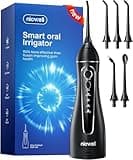
COSLUS ADA Accepted C20 Water Dental Flosser Pick, Professional Set Black
Easier to use consistently — and consistency is everything

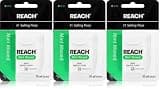
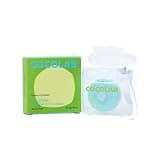
REACH Waxed Dental Floss, Mint, Plaque Remover for Teeth, Shred Resistant, Floss Slides Smoothly, Easy to Use, Waxed, Deep Cleaning Teeth, Oral Care, PFAS Free, for Adults & Kids, 55 yd,(Pack of 3)
The gold standard — when used correctly
Our verdict — Water Flosser wins
For most people, a water flosser produces better real-world results than traditional floss — not because it is technically superior, but because people actually use it. Traditional floss is marginally more effective at dislodging plaque in tight contacts when technique is perfect, but perfect technique requires wrapping floss around each tooth and scraping the side surface, which almost no one does correctly every day. A water flosser used consistently and correctly reaches under the gumline, between teeth, and around orthodontic work or implants in a way that makes compliance dramatically easier.
Buy Water Flosser if…
You have braces, dental work, or sensitive gums, or you have tried traditional flossing and not kept it up consistently.
Buy Traditional Floss if…
You already floss daily with correct technique and have no dental work complicating access between teeth.
Your dentist tells you to floss every day. You buy a pack, use it for a week, and then the pack sits in a drawer until the next appointment. This is not a failure of willpower — it is a failure of the tool. Traditional floss requires a level of manual technique and daily commitment that most adults simply do not sustain, and a tool that works brilliantly in theory but collects dust in practice is not actually working.
A water flosser uses a pressurised stream of water to flush bacteria and debris from between teeth and below the gumline. Traditional floss is a thin string that physically scrapes plaque off the tooth surface through direct contact. Both target the same spaces a toothbrush cannot reach, but they work through fundamentally different mechanisms — and that difference determines which one actually improves your gum health over months and years of real use.
This article breaks down how water flossers and traditional floss compare on cleaning effectiveness, ease of daily use, suitability for dental work, and long-term cost in 2026. By the end you will know which tool fits your teeth, your habits, and your budget — and whether using both is worth the effort.
What is a Water Flosser?
A water flosser is a countertop or handheld device that pumps water through a narrow tip at adjustable pressure, directing a focused stream between teeth and into the gingival sulcus — the small pocket where the gum meets the tooth. The pulsating water disrupts and flushes out bacteria, food particles, and loose plaque from spaces a toothbrush cannot reach. Most models hold 150–600ml of water in a reservoir, enough for 60–90 seconds of continuous use, which is sufficient to clean the entire mouth.
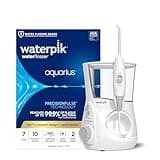
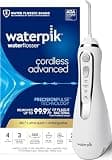
The key specs that matter are pressure range (measured in PSI — look for at least 10–100 PSI adjustable), reservoir size (larger reservoirs mean fewer refills), number of included tips (standard, orthodontic, periodontal pocket, and tongue-cleaning tips cover different needs), and whether the unit is countertop or cordless. Countertop models deliver stronger, more consistent pressure and larger reservoirs but require outlet space. Cordless models trade some pressure for portability and work anywhere near a sink. Battery life on cordless units should be at least two weeks of daily use per charge.
Water flossers are the right choice for anyone who has struggled to maintain a daily flossing habit, anyone with braces, bridges, implants, or crowns, and anyone with gum sensitivity or early-stage gum disease where gentle cleaning matters more than aggressive scraping. They are also significantly easier for people with limited hand dexterity — arthritis, carpal tunnel, or any condition that makes the precise finger movements of string floss difficult or painful.
What is an Traditional Dental Floss?
Traditional dental floss is a thin filament — typically nylon or PTFE — designed to slide between teeth and physically scrape plaque from the tooth surface through direct contact. The correct technique involves wrapping the floss into a C-shape around each tooth, sliding it gently below the gumline, and pulling upward to lift plaque off the enamel. When done properly, this mechanical scraping action is highly effective at removing the sticky biofilm that causes cavities and gum disease in tight contact points where teeth press together.
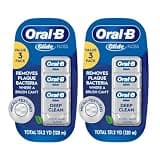
The main distinction in floss types is waxed versus unwaxed and multifilament nylon versus single-filament PTFE. Waxed floss slides more easily between tight contacts and is better for beginners or crowded teeth. PTFE floss (sold as Glide-type) is thinner, shred-resistant, and works well for very tight spaces. Thickness matters too — thicker tape-style floss cleans wider gaps more effectively, while thin floss is necessary for teeth that sit close together. The material choice is less important than using it correctly every day, which is where most people fall short.
Traditional floss is best suited for people who already have an established daily habit with correct technique, people with naturally tight tooth contacts where physical scraping is more effective than water pressure, and anyone on a strict budget who cannot justify the upfront cost of a water flosser. It is also the most portable option — a small container fits in any pocket or bag and requires no power, charging, or maintenance.
Key Differences
Pros & Cons
Water Flosser
- ✓Dramatically easier to use consistently — 60-second routine with no manual dexterity required
- ✓Reaches around braces, bridges, implants, and crowns without threaders or special technique
- ✓Clinically proven to reduce gingival bleeding and inflammation as effectively as floss in real-world use
- ✗Upfront cost of £30–80 plus replacement tips every 3–6 months
- ✗Less effective than floss at physically dislodging plaque from very tight tooth contacts
Traditional Floss
- ✓Costs under £3 per year — no device, no charging, no replacement parts
- ✓Physically scrapes plaque from tight tooth contacts more thoroughly than water pressure
- ✓Completely portable — fits in a pocket, works anywhere, requires no power source
- ✗Correct technique is difficult and most people do not sustain it daily
- ✗Nearly impossible to use effectively around braces, bridges, and dental implants without specialty threaders
Cleaning effectiveness
Traditional floss works by physical contact — pressing against the tooth surface and scraping upward to dislodge plaque from the enamel and just below the gumline. Done correctly, making a C-shape around each tooth and going slightly under the gum, it removes plaque from tight contacts that water cannot always reach. Studies conducted under supervised conditions with correct technique show floss outperforming water flossers on plaque removal.
The problem is most people do a straight sawing motion rather than wrapping the floss properly. This removes food debris but does not adequately clean the tooth surface. Water flossers direct a pressurised stream under the gumline and between teeth — exceptionally effective at flushing bacteria from the sulcus. Multiple clinical studies show water flossers reduce gingival bleeding and inflammation at least as well as traditional floss, and in some populations better.
The practical takeaway is that cleaning effectiveness in a clinical setting and cleaning effectiveness in your bathroom are two different things. If you have the discipline and technique to floss correctly every single day, traditional floss edges ahead on tight contact surfaces. For everyone else — which is most adults — a water flosser delivers better real-world outcomes because the compliance rate is dramatically higher. The best interdental cleaner is the one you actually use.
Compliance — will you actually use it
This is where the comparison is decided for most people. Traditional floss requires manual dexterity, particularly for back teeth — people with arthritis, limited mobility, or dental work find consistent daily use genuinely difficult. Many people skip days or abandon the habit entirely. Inconsistent flossing produces minimal benefit.
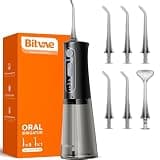
Water flossers have a learning curve of about a week. After that, the process is fast (60–90 seconds) and straightforward. Cordless models make it easy to use over the sink without a power socket nearby. Most people who adopt a water flosser report using it more consistently than they ever managed with traditional floss — simply because it is less unpleasant. A water flosser used every day beats perfect technique used three days a week.
If you are honest with yourself about how often you actually floss with string — not how often you intend to — that number is the real benchmark. Surveys consistently show that fewer than 30% of adults floss daily with traditional floss. Water flosser users report significantly higher adherence rates over six months and beyond. For anyone whose current string flossing habit is sporadic or non-existent, switching to a water flosser is the single most effective upgrade available for interdental hygiene.
Dental work and braces
For anyone with braces, bridges, implants, or crowns, the water flosser is not just easier — it is markedly more effective. String floss around orthodontic wire is tedious and often inadequate, leaving food and bacteria behind the wire and around brackets. A water flosser threads water through and around every component of dental work in seconds.
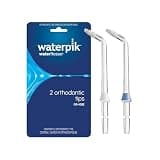
Implants and bridges create spaces that are impossible to clean properly with string floss without specialised threaders or superfloss — neither of which most people use consistently. The water flosser reaches these spaces with no special technique required. Dentists consistently recommend water flossers as the primary tool for patients with dental restorations.
If you are about to get braces or have recently had implant work done, factor the water flosser into your budget from the start rather than treating it as an optional add-on. Orthodontic patients who rely solely on string floss have significantly higher rates of decalcification — the white spots that appear around brackets from inadequate cleaning. A water flosser with an orthodontic tip is the most practical way to protect your investment in dental work and avoid problems that are expensive to fix after the braces come off.
Cost over time
Traditional floss has an extremely low cost per use — a standard pack costs under £3 and lasts months. No hardware, no charging, no replacement parts. Over ten years of daily use, the total spend is negligible. It also requires no space on a bathroom shelf and works anywhere without power.
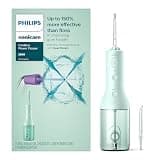
A quality water flosser costs £30–80. Replacement tips cost around £10–15 for four tips and last 3–6 months each. The annual running cost after the initial purchase is low — but the initial purchase and ongoing tip replacement make it significantly more expensive than string over any time period. The real cost comparison is dental bills: whichever method you use consistently has the higher return on preventing gum disease and the expensive treatments that follow.
Put differently, a water flosser that you use daily costs less over five years than a single filling, and dramatically less than a periodontal deep cleaning or crown replacement caused by gum disease progression. The question is not whether £50 for a water flosser is expensive compared to £3 for floss — it is whether £50 for a tool you will actually use is cheaper than the dental work that follows from a tool you do not.
Can You Use One Instead of the Other?
For basic interdental cleaning — removing food debris after meals and disrupting plaque between teeth — either tool can work on its own. A water flosser handles the job more quickly and with less technique required. Traditional floss handles it more cheaply and with better physical plaque removal on tight contacts. If you had to choose only one, the water flosser wins for most people purely on the basis of compliance.
There are situations where one genuinely cannot substitute for the other. Traditional floss cannot adequately clean around braces, under bridges, or in the deep pockets around implants without specialised threaders that add time and complexity. A water flosser cannot match the physical scraping action of floss on very tight tooth contacts where plaque has adhered to the enamel surface — the water stream disrupts loose bacteria but may not dislodge the most firmly attached biofilm in those narrow spaces.
Many dentists now recommend using both: water flosser first to flush debris and bacteria from all interdental spaces, then traditional floss on any tight contacts where physical scraping adds value. This takes about two minutes total and covers both mechanisms. If that feels excessive, use whichever tool you will actually use every day — a single method used consistently is worth more than a perfect two-step routine used twice a week.
Related Tools Worth Knowing
- ›
Interdental Brushes — When you have wider gaps between teeth or exposed root surfaces where neither floss nor water pressure cleans as thoroughly as a small brush.
- ›
Electric Toothbrush — For improving overall plaque removal before you even get to interdental cleaning — pairs with either a water flosser or floss for a complete routine.
- ›
Floss Picks — When you want the convenience of single-handed flossing for on-the-go use but cannot bring a water flosser — less effective than proper floss technique but better than nothing.
- ›
Orthodontic Floss Threaders — When you have braces or permanent retainers and want to use traditional floss — the threader pulls floss under the wire, though the process is time-consuming compared to a water flosser.
Our Top Picks
Best Water Flosser
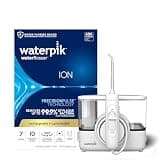
Best Dental Floss
Ready to buy? Check current prices below
COSLUS ADA Accepted C20 Water Dental Flosser Pick, Professional Set Black
Easier to use consistently — and consistency is everything
Frequently Asked Questions
Can a water flosser replace flossing entirely?▾
For most people in practice, yes — and their gum health will be better than if they were flossing inconsistently with poor technique. Clinically, traditional floss is slightly superior for plaque removal on tight tooth surfaces when done correctly. If your dentist is satisfied with your gum health, your water flosser is doing the job.
What pressure setting should I start on?▾
Start on the lowest setting. The goal is to direct water into the sulcus — the small pocket between tooth and gum — not to blast the gum tissue. Most people increase pressure after a week or two as their gums become less sensitive. High pressure does not mean more effective cleaning; it means more gum irritation.
I have receding gums — is a water flosser safe?▾
Yes, on a low to medium setting. Receding gums expose the root surface, which is softer than enamel and more vulnerable. A water flosser is actually better than string floss for receding gums because there is no physical scraping. Keep pressure low and aim the tip at a 45-degree angle toward the gumline.
Does the water in a water flosser need to be anything special?▾
Plain tap water is fine. Some people add a small amount of alcohol-free mouthwash to the reservoir for additional antimicrobial benefit. Do not use full-strength hydrogen peroxide or any abrasive additive, and rinse the reservoir regularly to prevent bacteria build-up.
How often should I replace water flosser tips?▾
Every three to six months, or sooner if the tip shows visible wear or discolouration. Tips accumulate bacteria over time even with regular rinsing. Replacing them every six months with regular cleaning is a reasonable compromise.
Conclusion
A water flosser wins this comparison for most people — not on clinical superiority but on the fact that people actually use it. Consistent daily cleaning with a water flosser produces better gum health outcomes than inconsistent use of a technically superior tool.
If you have braces, implants, bridges, or any dental work that makes string floss difficult, get a water flosser — it is not optional, it is the practical standard of care. If you already floss daily with proper C-shape technique and your dentist confirms your gum health is excellent, traditional floss is working and there is no compelling reason to switch. If you are starting from a habit of not flossing at all, the water flosser is the fastest path to consistent interdental cleaning.
Check the top picks above for the best water flossers and floss options at each price point. If you want the most thorough routine possible, use both — water flosser first, then floss on tight contacts — but if you are only going to use one tool, make it the one you will reach for every day.
Related Rankings
See the full ranking
←10 Best Water Flossers of 2026